Oxley
Primary School
During 2024–2025, we focused on transport, biodiversity, and water conservation, with pupils, staff, and the eco-committee working together to make a real difference to our school and community.
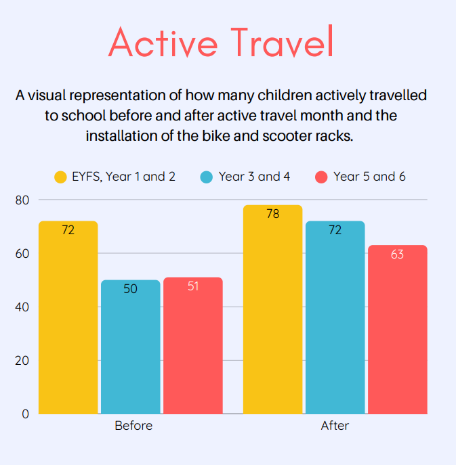
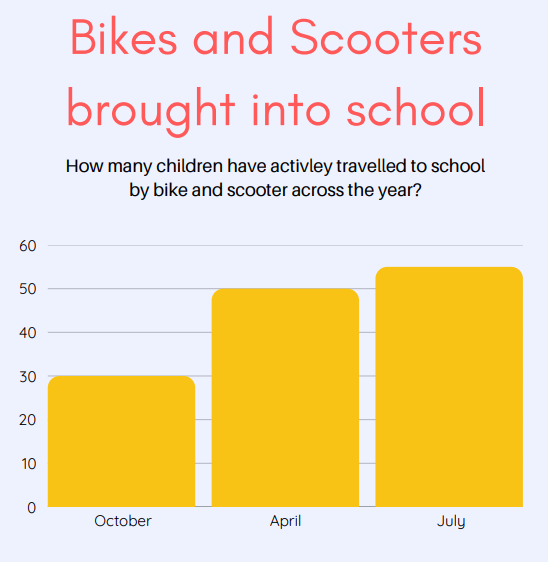
Active travel continued to grow, with new bike and scooter racks encouraging more pupils to cycle or scoot. During Active Travel Month, pupils walked, cycled, or scooted daily, supported by workshops including Dr Bike, Scootability, Bikeability, and the Year 6 Gearing Up workshop.
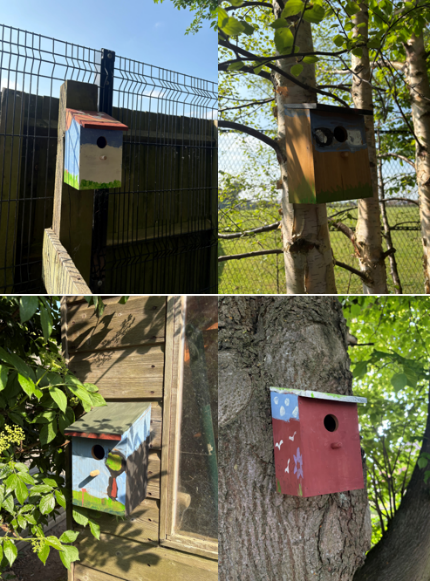
Our commitment to biodiversity has also been strong. Pupils from all year groups helped to build bug hotels and decorated four birdhouses, many of which successfully attracted local wildlife. We grew fruit and vegetables, gaining hands-on experience in sustainable gardening, and enhanced school grounds with a new outdoor hut for lessons and activities. One school house fundraised for the Leicestershire and Rutland Wildlife Trust, supporting local habitats. Pupils continued daily litter picking and took part in The Big School Clean, collecting two bin bags of rubbish and competing with other trust schools.
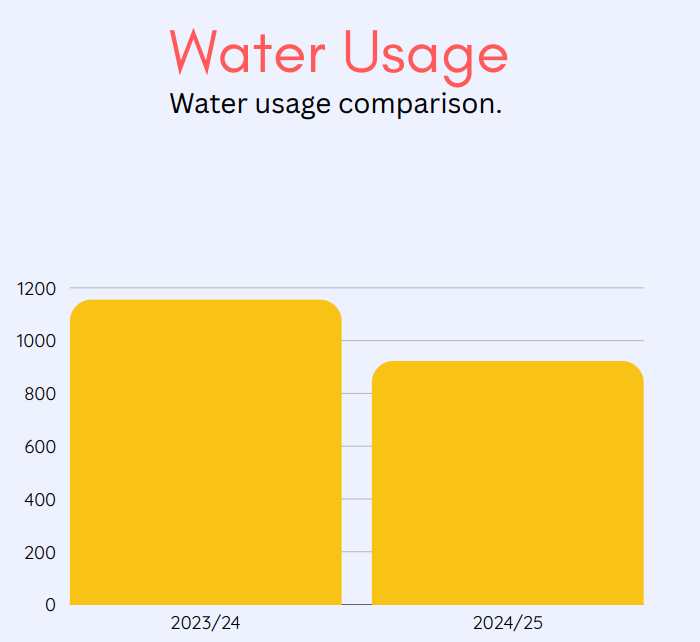
Water conservation remained a key focus. Pupils and staff were reminded to turn off taps through posters, and families received guidance on saving water at home. Repairs were made to taps, toilets, and the water heater to prevent waste. All pupils attended a Severn Trent assembly on water conservation, and Years 5 and 6 took part in a workshop exploring hydration and the impact of plastic pollution on water systems and nature.
In Years 1 and 2, pupils explored Amara and the Bats in English, writing reports and sharing their findings in a class assembly. Geography lessons compared life in Kampong Ayer, Borneo, with pupils’ own experiences, considering transport, daily routines, and rainforest biodiversity. Science and DT encouraged pupils to reuse materials, making Tudor houses and bug homes to support local wildlife, while PSHE encouraged exploration of local community spaces promoting wellbeing and exercise.
In Years 3 and 4, pupils studied plant, animal, and fossil diversity, learning how species adapt and evolve. Geography explored megacities and global inequalities, while Science and PE focused on healthy living, diet, and active travel. Pupils also took part in litter picking, created bug hotels, and joined the Flingatrons workshop to learn more about recycling and waste reduction.
In Years 5 and 6, biodiversity work included designing bug hotels, exploring classification in Science, and taking part in an animal handling workshop. Pupils investigated water and plastic pollution and created Art zines, raising awareness of environmental issues such as recycling, litter reduction, and global warming. They studied global warming, carbon footprints, fair trade, and ethical consumer choices, with Year 6 House Captains leading charity fundraisers, including support for the Leicestershire and Rutland Wildlife Trust. Geography lessons explored National Parks and local green spaces, highlighting their role in promoting wellbeing and biodiversity. Meanwhile, enterprise projects and Bikeability sessions developed responsibility and practical life skills.
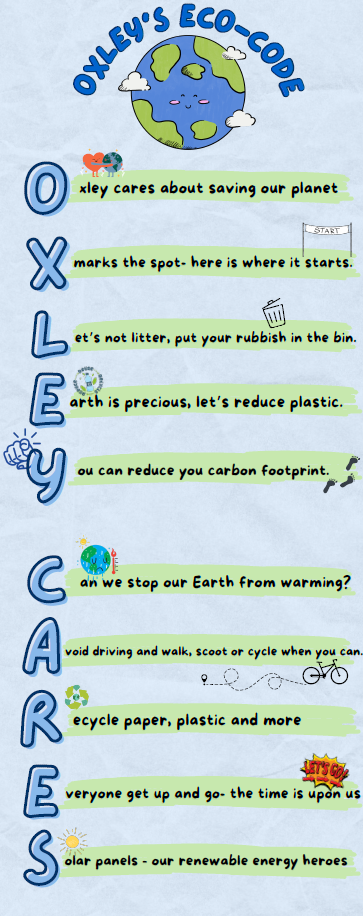
We have updated our Eco Code, reflecting all we have learned and achieved this year, showing how practical actions in transport, biodiversity, and water conservation make a real difference to our school and community.
During the 2023–2024 school year, our school focused on improving waste management, saving energy, and promoting eco-friendly travel. Pupils and staff worked together to make a real difference to our school and the wider community.
We introduced larger, clearly labelled recycling bins in communal areas to prevent overflow and make it easier for pupils and staff to recycle. School uniform was redistributed to reduce waste, and pupils took part in daily litter picks to help keep our school grounds clean and welcoming.
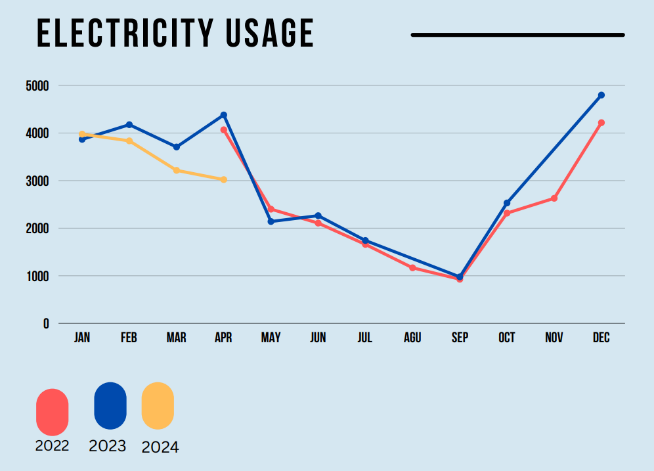
Motion-sensor lights were installed across the school so that lights automatically switch off when rooms are empty. Reminder posters were placed in rooms without sensors to encourage energy-saving habits. Our 109 solar panels continued to provide a significant reduction in electricity use, and around 240 energy-saving devices are now in use across the school. Overall, these efforts saved approximately 1,237 kilowatts of energy compared to the previous year.
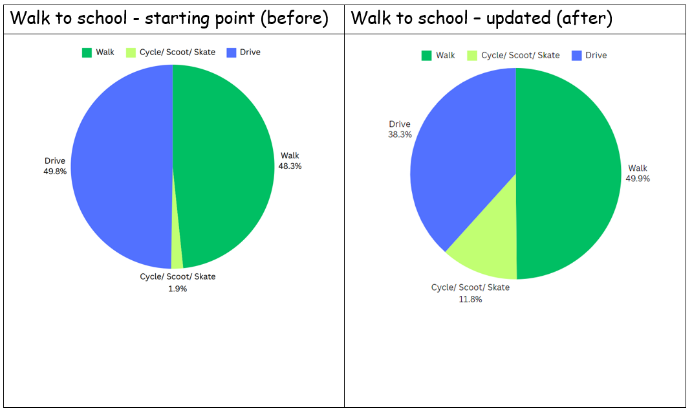
To encourage active travel, we ran competitions to see which class could walk, cycle, or scoot to school the most. New bike and scooter racks were installed so pupils could travel actively with confidence, knowing their belongings were safe. Following Walk to School Week, there was an 11.5% increase in active travel, with around 155 pupils travelling actively every day.
Pupils took part in a wide range of activities to support biodiversity, including building a bug hotel and creating animal feeders. We planted crocuses in partnership with the Rotary Club, and pupils worked with Mr Burton in the polytunnel to grow around 25kg of fresh fruit and vegetables. In addition, 22 new water-saving devices were installed around the school to help conserve this precious resource.
This year, pupils raised a total of £511.08 for charity, including £100.78 for wildlife charities. These contributions supported local, national, and wildlife causes, showing that our school cares about people, animals, and the planet.
Years 1 & 2: Pupils explored habitats and minibeasts in Science and surveyed the school grounds. In Geography, they used Google Maps to study the school and the local area. In Art, they created natural artwork inspired by Andy Goldsworthy. Pupils also investigated biodiversity by making bird feeders and observing playground birds.
Years 3 & 4: Pupils studied climate action through Greta and the Giants, producing reports, persuasive letters, and discussion texts, and taking part in a class debate. In Art, they experimented with natural paints and compared local resources to the work of Frances Hatch. Pupils explored local land-use changes, the water cycle, and the reasons why jungles are typically wet. They also carried out a solar audit of the school and studied mental and physical health. Classification keys were used to identify plants and animals across different seasons.
Years 5 & 6: Pupils focused on healthy lifestyles, plant-based diets, and the water cycle in Science. They created vegetarian dishes in DT and RE to meet different cultural needs. In Art, they explored identity, sustainability, and marine protection while studying a range of artists. History lessons highlighted figures such as Malorie Blackman and Olive Morris, and how they created positive change. Pupils also learned about exercise, heart health, and mental well-being, including mindful drawing activities. They studied water safety, plastic pollution, and continued growing produce in the polytunnel. Active travel and hydration were promoted in PE, and pupils participated in the Oxley Olympics.
To celebrate a year filled with environmental action and learning, we proudly created our first Eco Code, reflecting our shared commitment to protecting the planet and making our school a greener, more sustainable place.